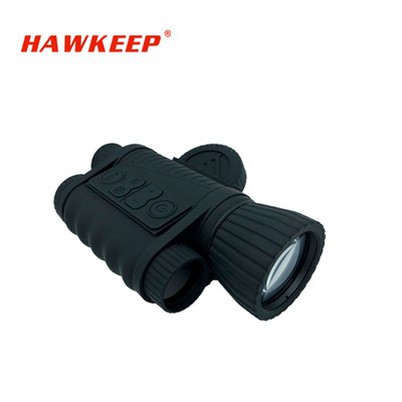

What is the power consumption of a night vision monocular?
Leave a message

Hey there! As a supplier of night vision monoculars, I often get asked about the power consumption of these nifty devices. It's a crucial topic, especially for those who rely on night vision monoculars for various activities like hunting, wildlife observation, or security work. So, let's dive right in and explore what affects the power consumption of a night vision monocular.
First off, it's important to understand that different types of night vision monoculars have different power requirements. We've got Digital Night Vision Monocular, Compact Night Vision Monocular, and Infrared Night Vision Monocular, each with its own unique features and power consumption patterns.
Digital Night Vision Monocular
Digital night vision monoculars are becoming increasingly popular due to their versatility and advanced features. They use digital sensors to capture and enhance the available light, allowing you to see clearly in low-light conditions. But how much power do they consume?
Well, the power consumption of a digital night vision monocular depends on several factors. One of the main factors is the resolution of the sensor. Higher resolution sensors require more power to process and display the image. For example, a monocular with a 1080p resolution will consume more power than one with a 720p resolution.
Another factor is the frame rate. A higher frame rate means that the monocular is refreshing the image more frequently, which also requires more power. Most digital night vision monoculars have adjustable frame rates, so you can choose a lower frame rate to conserve battery life if you don't need a super-smooth image.
The built-in features of the digital night vision monocular also play a role in power consumption. Features like image recording, video playback, and Wi-Fi connectivity all require additional power. If you're not using these features, it's a good idea to turn them off to save battery.
On average, a digital night vision monocular can consume anywhere from 1 to 3 watts of power. This means that if you're using a standard AA battery, you can expect the battery to last anywhere from 2 to 6 hours, depending on the specific model and usage.
Compact Night Vision Monocular
Compact night vision monoculars are designed for portability and ease of use. They're often smaller and lighter than other types of night vision monoculars, making them a great choice for activities like hiking or camping. But do they consume less power?
In general, compact night vision monoculars do consume less power than their larger counterparts. This is because they typically have smaller sensors and fewer advanced features. However, the power consumption still depends on the specific model and the quality of the components.
Most compact night vision monoculars use a single AA or AAA battery, which makes them convenient to use. They usually consume around 0.5 to 1.5 watts of power, which means that a single battery can last anywhere from 4 to 10 hours.
One thing to keep in mind is that some compact night vision monoculars may have a lower light amplification factor, which means that they may not be as effective in very low-light conditions. However, for most outdoor activities, they provide sufficient visibility.
Infrared Night Vision Monocular
Infrared night vision monoculars use infrared light to illuminate the scene and enhance the visibility in complete darkness. They're often used in military and security applications, as well as for hunting at night. But how much power do they consume?


The power consumption of an infrared night vision monocular is mainly determined by the strength of the infrared illuminator. A stronger illuminator can provide better visibility at a greater distance, but it also consumes more power.
Most infrared night vision monoculars have adjustable infrared illuminators, so you can adjust the intensity according to your needs. If you're in an area with some ambient light, you can use a lower intensity setting to save battery.
On average, an infrared night vision monocular can consume anywhere from 2 to 5 watts of power. This means that the battery life can range from 1 to 3 hours, depending on the battery capacity and the usage.
Factors Affecting Power Consumption
Apart from the type of night vision monocular, there are several other factors that can affect the power consumption. Let's take a look at some of these factors:
- Battery Type and Capacity: The type and capacity of the battery you use can have a significant impact on the runtime of your night vision monocular. Lithium-ion batteries generally have a higher energy density and can provide longer battery life compared to alkaline batteries.
- Temperature: Extreme temperatures can affect the performance of the battery and the components of the night vision monocular. In cold temperatures, the battery may not perform as well, resulting in a shorter battery life. On the other hand, high temperatures can also cause the components to overheat, which can lead to increased power consumption.
- Usage Patterns: How you use the night vision monocular also affects the power consumption. If you're constantly turning the device on and off, or if you're using it at maximum settings for extended periods, the battery will drain faster.
Tips to Conserve Battery Life
Now that we know what affects the power consumption of a night vision monocular, let's talk about some tips to conserve battery life:
- Turn Off Unnecessary Features: As mentioned earlier, features like image recording, video playback, and Wi-Fi connectivity all consume additional power. If you're not using these features, turn them off.
- Adjust the Settings: Adjust the resolution, frame rate, and infrared illuminator intensity according to your needs. Using lower settings can significantly reduce the power consumption.
- Carry Spare Batteries: It's always a good idea to carry spare batteries, especially if you're going on a long trip or if you expect to use the night vision monocular for an extended period.
- Store the Device Properly: When you're not using the night vision monocular, store it in a cool, dry place. This can help preserve the battery life.
Conclusion
So, there you have it! The power consumption of a night vision monocular depends on several factors, including the type of monocular, the features it has, and how you use it. By understanding these factors and following the tips to conserve battery life, you can ensure that your night vision monocular is always ready when you need it.
If you're in the market for a night vision monocular and have any questions about power consumption or other features, don't hesitate to reach out. We're here to help you find the perfect night vision monocular for your needs. Whether you're a hunter, a wildlife enthusiast, or a security professional, we've got the right product for you. Contact us today to start the procurement process and let's find the best night vision monocular for you!
References
- Manufacturer's specifications of various night vision monocular models.
- Industry research on night vision technology and power consumption.