

An infrared trail camera is a special type of camera designed to capture images and videos of wildlife and other outdoor activities in low-light conditions or during the night. Unlike regular cameras, an infrared trail camera uses infrared technology to detect heat signatures and movement, allowing it to capture clear images and videos even in total darkness. These cameras are commonly used by wildlife enthusiasts, hunters, and researchers to monitor animal behavior, track wildlife movements, and study ecosystem dynamics.
Advantages of Infrared Trail Camera
Nighttime visibility
Since it’s tough to move around in total darkness, most animals are usually active at night. Infrared cameras come with features that allow them to detect night vision images that aren’t visible to the human eye.
Weather-resistant
Most infrared trail cameras come with weather-resistant features, meaning they can withstand harsh weather conditions like snow, rain, and extreme temperatures.
Remote monitoring
Infrared trail cameras are usually equipped with remote monitoring capabilities, making it convenient for wildlife enthusiasts to keep an eye on their designated area of concern without having to be physically present.
Easy installation
Infrared trail cameras are usually straightforward to set up and install, making them an excellent choice for people who want to monitor wildlife but don't have a lot of time to do so.


Why Choose Us?
High quality
Our products are manufactured or executed to very high standards, using the finest materials and manufacturing processes.
Rich experience
Dedicated to strict quality control and attentive customer service, our experienced staff is always available to discuss your requirements and ensure complete customer satisfaction.
Quality control
We have professional personnel to monitor the production process, inspect the products and ensure that the final product meets the required quality level standards, guidelines and specifications.
24h online service
We try and respond to all concerns within 24 hours and our teams are always at your disposal in case of any emergencies.
Low-glow/red-glow infrared trail cameras
These cameras emit a faint red or low-glow light that is barely visible to humans but can alert wildlife to their presence.
No-glow/black-flash infrared trail cameras
These cameras use completely invisible, black infrared leds that emit no visible light. They are ideal for catching nocturnal wildlife without alerting them to the camera's presence.
White-flash infrared trail cameras
These cameras are similar to traditional flash cameras, but they use a white led flash instead of a traditional flash. This type of camera is not ideal for wildlife photography as the bright flash may startle and scare away animals.
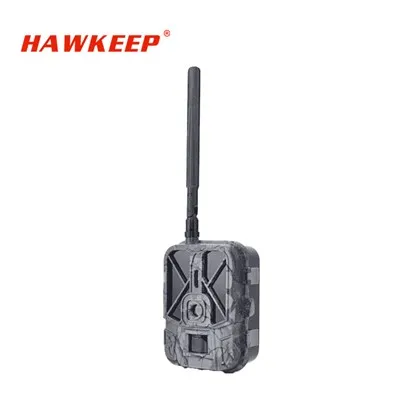
Cellular/wireless infrared trail cameras
These cameras have a built-in sim card that allows them to send images directly to your phone or email. They typically require a monthly data plan for use.
Hd infrared trail cameras
These cameras capture high-definition images and videos, which provide a very clear and detailed view of the wildlife or surroundings.
Material of Infrared Trail Camera
Infrared trail cameras are typically made using a robust and durable outer shell or casing, designed to withstand harsh weather conditions and stand up to the rigors of outdoor photography. The materials used in these cameras often include reinforced plastic or resin, as well as metals such as aluminum and stainless steel.
The lens and internal components are also made using high-quality materials to ensure reliable and accurate performance. This may include specialized coatings or materials to enhance image quality, such as anti-reflective coatings on the lens or high-resolution sensors.
Overall, the precise materials used in infrared trail cameras vary depending on the model and manufacturer. However, most are made using high-quality materials that are designed to provide excellent performance and durability over extended periods of use.

Application of Infrared Trail Camera
Wildlife observation and research
Infrared trail cameras are commonly used by wildlife enthusiasts, biologists, and researchers to observe and study animals in their natural habitats without disturbing them. These cameras are also used to gather data on the behavior, movements, and health of animals in the wild.
Hunting
Infrared trail cameras are popular among hunters as they allow them to monitor game movement patterns and activity in specific areas. This helps hunters in scouting for the best hunting spots and also helps in determining the best time to hunt.
Security
Infrared trail cameras are often used for security purposes, such as monitoring remote locations, farms, and warehouses. These cameras are equipped with motion sensors and can capture images or videos of any movement or activity in the area.
Home surveillance
Infrared trail cameras can be used for home surveillance to monitor the safety of homes and property. These cameras can detect any movement and capture images or videos of any suspicious activity, providing evidence in case of theft or burglary.
Outdoor recreation
Infrared trail cameras are also commonly used by outdoor enthusiasts to capture images and videos of nature and landscapes. These cameras have become popular among hikers, climbers, and bikers who want to document their outdoor experiences.
Infrared Trail Camera Working Process
Set up the camera
Choose a location to set up the camera where it will capture the desired footage. The camera should be mounted securely on a tree or other stable surface to prevent shaking or movement. The camera should be positioned at the appropriate height and angle to capture the desired area of surveillance.
Power on the camera
Once the camera is in position, turn it on and select the desired settings. Most cameras offer a variety of settings and options, including motion detection sensitivity, resolution, and image quality.
Wait for the camera to capture footage
Once the camera is set up and powered on, it will automatically begin capturing footage when it detects movement. The camera will typically capture video or photos and store them on a memory card.
Retrieve footage
After a period of time, the camera's memory card can be removed and the footage can be downloaded onto a computer or other device for review.
Repeat process
Once the footage has been reviewed, the camera can be reset and repositioned to capture additional footage as needed.

Components of Infrared Trail Camera
Image sensor
This is the heart of an infrared trail camera. It captures the images and videos in both day and night times.
Infrared leds
These are the small bulbs on the front of the camera that emit light in the infrared spectrum and enable the camera to capture images and videos at night without emitting visible light.
Lcd screen
The screen displays the settings and the images captured by the trail camera.
Memory card slot
The slot is where the memory card is inserted, and it can store hundreds or even thousands of images and videos.
Battery compartment
The battery is where the power source is located, and the trail camera will typically use batteries ranging from 4 to 12 depending on the model.
Motion sensor
This is a device that detects movement and triggers the camera to take images or videos.
Weather-resistant casing
The camera is usually housed in a weather-resistant casing that protects it from rain, snow, and other harsh outdoor elements.
Mounting bracket
A mounting bracket is usually included, and it allows the camera to be mounted on a tree or other surface.
Maintenance of Infrared Trail Camera
Keep it clean
Regularly dust off your infrared trail camera to remove any dirt or debris that may accumulate on the lens or the body of the camera. This will help ensure clear and crisp pictures.
Check the batteries
Make sure to use high-quality batteries and regularly check their power levels. Low batteries can cause the camera to malfunction or not work at all, so it's important to make sure they're fresh and fully charged.
Secure and position the camera
Make sure that the camera is attached securely to its mount or tree to prevent it from shaking or falling. Additionally, ensure that the camera is properly positioned so it captures the best possible footage and satisfies the desired purpose.
Use protective covers
Consider using protective covers to help shield your camera from the elements. Covers help keep it free from dust, debris, and water, which can seriously damage your device.
Regularly inspect and update settings
Double-check the settings and configurations of your infrared trail camera regularly, and make adjustments as necessary. You may want to change the resolution settings, time-lapse intervals, trigger delay, detection range, or other factors to better capture your intended evidence.

How do Infrared Tracking Cameras Work
Infrared tracking cameras work by emitting infrared light and analyzing the reflections from objects in their field of view. The cameras emit quick bursts of infrared light that are invisible to the human eye, but bounce off objects and reflect back towards the camera. By analyzing the reflections and how they change over time, the camera can calculate the position, speed, and direction of objects in the field of view. This technology is often used in motion capture, surveillance, and gaming applications.

Does Infrared Tracking Camera Require Thermal Imaging Technology
No, infrared trail cameras do not require thermal imaging technology. Infrared trail cameras work by using infrared technology to capture images in low-light conditions, while thermal imaging cameras use heat signatures to capture images. While some trail cameras may have both infrared and thermal imaging capabilities, they are not required to have both and may function perfectly well with just infrared technology.
Lighting conditions
Infrared cameras rely on light outside the spectrum of visible light, so they require no assistance. However, there are times when too much infrared light may wash out the video rendering tracking impossible.
Distortion
While infrared cameras can capture objects with high precision, there may be times when they capture glare or excessive reflection. This can produce an inaccurate reading of what is being tracked.
Positioning
Infrared cameras require careful positioning to ensure they capture useful inputs. Proper placement requires taking into account the coverage area, sensitivity, and lighting conditions.
Interference
While infrared tracking cameras are generally reliable, external factors such as other electronic devices or direct sunlight can cause interference.
Maintenance
To ensure the infrared tracking camera works optimally, it's essential to perform frequent maintenance checks. This includes performing routine cleanliness checks and ensuring the software and hardware are up-to-date.
What are the Advantages of Infrared Tracking Cameras Compared With Ordinary Cameras
Night vision
Infrared tracking cameras have the ability to capture images in low light conditions or complete darkness, which is not possible with ordinary cameras.
Accurate tracking
Infrared cameras have superior tracking capabilities as they can accurately detect and track the movement of objects and people in challenging lighting conditions.
Better image quality
Infrared cameras capture images with higher clarity and sharpness than ordinary cameras, as they eliminate the effects of glare and other lighting issues that are common in normal cameras.
Increased security
Infrared cameras are often used for security purposes as they capture high-quality images irrespective of the lighting conditions and provide increased surveillance coverage.
Cost-effective
Infrared cameras are becoming increasingly affordable, and they do not require lighting setups like ordinary cameras, making them a cost-effective solution for outdoor applications.
What are the Main Technologies of Infrared Tracking Cameras
Infrared leds
These are used to emit infrared light that is not visible to the human eye. The emitted light is used to illuminate the area being monitored by the camera.
Infrared sensors
These sensors detect the infrared light reflected by objects in the monitored area. The sensors generate an electrical signal that is sent to the camera.
Microprocessors
These are used to process the signals received from the infrared sensors, and to control the movement of the camera.
Motorized mounts
These are used to move the camera in response to the signals generated by the microprocessor.
Image processing software
This software is used to analyze the images captured by the camera and to track the movement of objects in the monitored area.
Wireless communication
Some infrared tracking cameras use wireless communication to transmit the captured images to a remote location, where they can be viewed and analyzed in real-time.
Certifications


FAQ
As one of the most professional infrared trail camera manufacturers in China, we're featured by quality products and competitive price. Please rest assured to buy infrared trail camera for sale here from our factory. Our products are widely used for hunting and outdoor sports.
Infrared Trail Camera, , 4k Outdoor Trail Camera