
Troubleshooting Common Issues with Telescopic Sight and Digital Night Vision Scope
Leave a message
In the world of outdoor exploration, hunting, and surveillance, having reliable optical equipment is crucial. Telescopic sights, digital night vision scopes, and thermal imaging scopes are essential tools for those who need to see clearly in various conditions. However, like any piece of technology, they can sometimes encounter issues. In this blog post, we'll discuss some common problems and troubleshooting tips for these important optical devices.
A telescopic sight, often referred to as a scope, is designed to magnify a distant target and help shooters or observers get a clearer view. Here are some common issues with telescopic sights and how to address them:
Problem 1: Blurred Image
Cause: This can be due to improper focusing, a dirty lens, or misalignment.
Solution: First, check the focus adjustment. Make sure it is set correctly for the distance to your target. If the image is still blurry, clean the lenses with a proper lens cleaning solution and a soft cloth. If the problem persists, it may be a sign of misalignment, which might require professional calibration.


Problem 2: Parallax Error
Cause: Parallax occurs when the reticle and the target appear to be at different distances, usually due to the shooter's eye not being properly aligned with the scope.
Solution: To correct parallax, most scopes have an adjustable parallax knob. Adjust this knob while looking through the scope at different distances until the reticle and the target appear to be in the same plane.
Problem 3: Zero Shift
Cause: Changes in temperature, impacts, or improper mounting can cause the zero of a telescopic sight to shift.
Solution: If you notice a zero shift, first check that the scope is securely mounted to the firearm. Make sure all screws are tight. If the problem persists, you may need to re-zero the scope. This typically involves shooting at a known distance and adjusting the elevation and windage knobs until the shots are centered on the target.


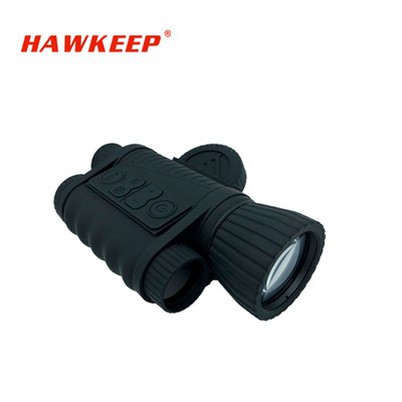
Digital night vision scopes use electronic sensors and image processing to allow users to see in low-light or complete darkness. Here are some common issues and solutions:
Problem 1: Poor Image Quality in Low Light
Cause: Insufficient light amplification, a dirty lens, or a low-quality sensor.
Solution: Check the settings on the scope to ensure that the light amplification is set appropriately. Clean the lenses as mentioned earlier. If the image quality remains poor, it may be due to a lower-quality sensor. In this case, consider upgrading to a higher-quality scope.
Problem 2: Battery Drain
Cause: Extended use without recharging or a faulty battery.
Solution: Always carry spare batteries and make sure to recharge them regularly. If you suspect a faulty battery, replace it with a new one. Some scopes also have power-saving modes that can be activated to extend battery life.
Problem 3: Interference or Glitches
Cause: Electronic interference from other devices or a software issue.
Solution: Try moving away from potential sources of interference, such as radios or other electronic devices. If the problem persists, check for firmware updates for your scope. Some glitches can be resolved by updating the software.


Thermal imaging scopes detect heat signatures and are extremely useful for detecting objects in complete darkness and through various obstructions. Here are some common issues:
Problem 1: False Alarms or False Positives
Cause: Background heat sources, such as warm rocks or bodies of water, can sometimes be mistaken for the target.
Solution: Familiarize yourself with the environment and learn to distinguish between legitimate targets and false alarms. Adjust the sensitivity settings on the scope to reduce false positives.
Problem 2: Limited Range
Cause: The performance of a thermal imaging scope can be affected by factors such as weather conditions, distance, and the size and temperature of the target.
Solution: Understand the limitations of your scope and use it in appropriate conditions. In adverse weather conditions, such as rain or fog, the range may be reduced. For longer distances, consider using a higher-resolution scope.
Problem 3: Overheating
Cause: Extended use can cause some thermal imaging scopes to overheat, especially in hot environments.
Solution: Allow the scope to cool down periodically if you are using it for an extended period. Avoid exposing it to direct sunlight or high temperatures when not in use.
In conclusion, telescopic sights, digital night vision scopes, and thermal imaging scopes are valuable tools, but they can encounter problems. By understanding these common issues and following the troubleshooting tips provided, you can ensure that your optical equipment is always ready for use when you need it. Remember to take proper care of your scopes, clean them regularly, and store them in a safe place to prolong their lifespan and maintain their performance.