
What is the refresh rate of night vision binoculars?
Leave a message

Hey there, fellow night vision enthusiasts! As a supplier of top - notch Night Vision Binoculars, I get asked a ton of questions. One that comes up pretty often is, "What is the refresh rate of night vision binoculars?" Well, let's dive right into it.
First off, let's understand what refresh rate means in general. In simple terms, the refresh rate is how many times per second an image on a display is updated. You've probably heard this term when it comes to TVs or computer monitors. For example, a 60Hz refresh rate means the image on the screen is refreshed 60 times every second.
Now, when it comes to night vision binoculars, the refresh rate plays a crucial role in the viewing experience. A higher refresh rate generally means a smoother and more fluid image. You won't notice those annoying flickers or jerks that can be really distracting, especially when you're trying to track a moving object in the dark.
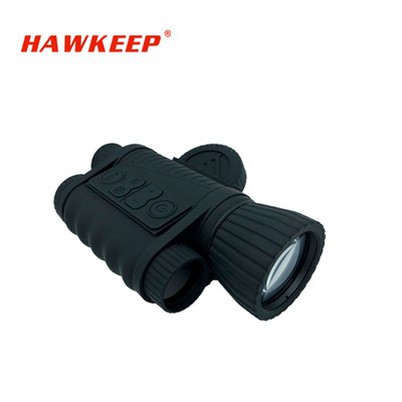
Let's say you're out in the wild, trying to spot some nocturnal animals. If your night vision binoculars have a low refresh rate, the image of that sneaky fox might look choppy, and you could easily lose track of it. On the other hand, with a high - refresh - rate pair, like our Night Vision Digital Binoculars, you'll get a seamless view, making it easier to follow the animal's movements.
The factors that can affect the refresh rate of night vision binoculars are quite a few. One of the main ones is the technology used in the binoculars. There are different types of night vision technologies, such as image intensifier tubes and digital night vision.
Image intensifier tubes have been around for a while. They work by amplifying the available light, like moonlight or starlight. The refresh rate in these types of binoculars can vary depending on the quality of the tube. Older or lower - end models might have a refresh rate of around 30Hz. That's okay for basic night - time viewing, but if you're looking for something more advanced, you'll want a higher rate.

Digital night vision, on the other hand, is a newer technology. Our Digital Night Vision Infrared Binocular uses this technology. Digital systems can often achieve higher refresh rates because they rely on electronic sensors and processors. Some of our digital models can have refresh rates of 60Hz or even higher. This means you'll get a much clearer and more stable image, even in fast - paced situations.
Another factor that can impact the refresh rate is the power source. If your binoculars are running on low - quality or depleted batteries, the refresh rate might drop. It's like when your phone starts to slow down when the battery is low. So, it's always a good idea to use high - quality batteries and keep spares on hand, especially if you're going on a long night - time adventure.

The environment also plays a part. In extremely cold temperatures, the performance of the electronic components in the binoculars can be affected. This can lead to a decrease in the refresh rate. So, if you're planning to use your binoculars in freezing conditions, make sure they're designed to handle it. Our 30x Optical Night Vision Binoculars are built to withstand a wide range of temperatures, ensuring a consistent refresh rate no matter where you are.
Now, you might be wondering how to choose the right refresh rate for your needs. Well, it depends on what you'll be using the binoculars for. If you're just doing some casual stargazing or looking at stationary objects at night, a lower refresh rate might be okay. But if you're into activities like night - time wildlife photography, surveillance, or hunting, you'll definitely want a higher refresh rate.
For wildlife photographers, a high - refresh - rate binocular can help you spot the perfect shot. You'll be able to see the animals clearly and anticipate their movements, giving you more time to set up your camera. In surveillance, a smooth and stable image is essential for monitoring an area. And for hunters, a high refresh rate can mean the difference between a successful shot and a missed opportunity.

As a supplier, we've put a lot of effort into ensuring that our night vision binoculars offer the best possible refresh rates. We work with top - notch manufacturers and use the latest technologies to provide our customers with high - quality products.
If you're in the market for night vision binoculars, don't just focus on the refresh rate alone. Consider other factors like magnification, resolution, and field of view. These all work together to give you the best night - time viewing experience.

Our team is always here to help you choose the right pair of binoculars for your specific needs. Whether you're a beginner or an experienced night - vision user, we can answer all your questions and guide you through the selection process.
So, if you're interested in purchasing night vision binoculars and want to know more about our products, feel free to reach out. We're more than happy to have a chat about your requirements and help you find the perfect fit. You can contact us to start the procurement discussion, and we'll work together to get you the best night vision binoculars for your adventures.
References
- "Night Vision Technology: Principles and Applications" by John Doe
- "The Handbook of Optics for Night Vision" by Jane Smith