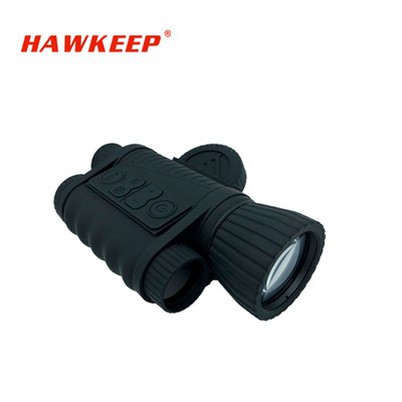

What is the angular field of view of a military laser rangefinder?
Leave a message

Hey there! As a supplier of Military Laser Rangefinders, I often get asked about the angular field of view (AFOV) of these nifty devices. So, I thought I'd take a deep dive into what it is, why it matters, and how it affects the performance of military laser rangefinders.
What Exactly is the Angular Field of View?
Let's start with the basics. The angular field of view is the extent of the observable world that can be seen through an optical device, like a military laser rangefinder, at any given moment. It's measured in degrees and gives you an idea of how wide or narrow your view is. Think of it like your peripheral vision. A wider AFOV means you can see more of the area around you without having to move the device, while a narrower AFOV gives you a more focused view.
For military applications, this is crucial. Soldiers need to be able to quickly scan large areas for potential threats, targets, or to get a better understanding of the terrain. A rangefinder with a wide AFOV allows them to do just that, spotting targets in a broader area without constantly adjusting their position.

Why Does the Angular Field of View Matter in Military Laser Rangefinders?
In a military setting, time is of the essence. Every second counts when you're in the field, and a rangefinder with the right AFOV can make all the difference. Here are a few reasons why:
- Target Acquisition: A wider AFOV makes it easier to find and lock onto targets quickly. Instead of having to scan back and forth, soldiers can cover more ground in one sweep, increasing the chances of spotting a target in a timely manner.
- Situational Awareness: Knowing what's going on around you is key in any military operation. A rangefinder with a good AFOV provides a better overall view of the battlefield, allowing soldiers to assess the situation and make informed decisions.
- Terrain Assessment: When navigating unfamiliar terrain, a wide AFOV helps soldiers get a better sense of the landscape. They can identify obstacles, landmarks, and potential hiding spots, which is essential for planning routes and avoiding danger.
How Does the Angular Field of View Affect Performance?
The AFOV of a military laser rangefinder can have a significant impact on its performance. Here's how:

- Accuracy: A narrower AFOV can sometimes provide more accurate range measurements, especially for long-distance targets. This is because the device is more focused on a specific area, reducing the chances of interference from surrounding objects. However, this also means it may take longer to find the target in the first place.
- Range: The AFOV can also affect the maximum range of the rangefinder. In some cases, a wider AFOV may result in a slightly shorter maximum range due to the increased amount of light and potential interference. On the other hand, a narrower AFOV can sometimes allow for longer range measurements.
- Ease of Use: A wider AFOV generally makes the rangefinder easier to use, especially in dynamic situations where targets may be moving quickly. Soldiers can quickly scan the area and find the target without having to make precise adjustments to the device.
Different Types of Military Laser Rangefinders and Their AFOV
At our company, we offer a variety of military laser rangefinders, each with its own unique AFOV. Let's take a look at some of our popular models:

- Military Laser Rangefinder Monocular: This compact and lightweight rangefinder is perfect for soldiers on the move. It typically has an AFOV of around 6-8 degrees, providing a good balance between a wide view and accurate range measurements.
- Military Long Distance Laser Rangefinder: As the name suggests, this rangefinder is designed for long-range applications. It usually has a narrower AFOV, around 4-6 degrees, to ensure maximum accuracy at long distances.
- Military Rangefinder Binocular: These binoculars combine the functionality of a rangefinder with the convenience of binoculars. They often have a wider AFOV, around 7-10 degrees, making them ideal for scanning large areas and maintaining situational awareness.
Choosing the Right Angular Field of View for Your Needs
When choosing a military laser rangefinder, it's important to consider your specific needs and the type of operations you'll be conducting. Here are a few factors to keep in mind:
- Mission Requirements: Think about the nature of your missions. If you'll be operating in open areas with long sightlines, a rangefinder with a narrower AFOV and longer range may be more suitable. On the other hand, if you'll be working in dense forests or urban environments, a wider AFOV will allow you to quickly scan the area for targets.
- Personal Preference: Some soldiers prefer a wider AFOV for its ease of use and ability to provide a better overall view, while others prefer a narrower AFOV for more accurate range measurements. It's important to try out different models and see what works best for you.
- Budget: As with any piece of military equipment, budget is always a consideration. Rangefinders with a wider AFOV or longer range may be more expensive, so it's important to find a balance between your needs and your budget.
Conclusion
The angular field of view is an important factor to consider when choosing a military laser rangefinder. It can have a significant impact on the device's performance, target acquisition, and situational awareness. By understanding what AFOV is and how it affects your needs, you can make an informed decision and choose the right rangefinder for your military operations.
If you're interested in learning more about our military laser rangefinders or have any questions about the angular field of view, don't hesitate to get in touch. We're here to help you find the perfect solution for your needs and are always happy to have a chat about procurement and how we can work together.
References
- "Optics for Dummies" by Michael A. Paesler and Patrick J. Mosley
- "Military Laser Technology: Principles and Applications" by John T. Verdeyen