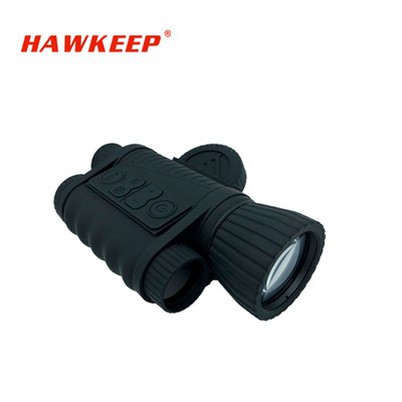

What is the weight of a typical thermal imaging scope?
Leave a message

As a supplier of thermal imaging scopes, I often receive inquiries about the weight of these devices. Understanding the weight of a thermal imaging scope is crucial for various reasons, including portability, ease of use, and overall performance. In this blog post, I will delve into the factors that influence the weight of a typical thermal imaging scope and provide insights into what you can expect.
Factors Affecting the Weight of Thermal Imaging Scopes
1. Technology and Components
The technology and components used in a thermal imaging scope play a significant role in determining its weight. Advanced thermal imaging sensors, lenses, and electronics are essential for high - quality imaging but can add to the overall mass. For instance, scopes with higher resolution sensors tend to be heavier because these sensors require more complex and larger components to process and display the detailed thermal images.
Modern thermal imaging scopes often use uncooled microbolometer sensors. These sensors are generally lighter than their cooled counterparts, which require cryogenic cooling systems. Cooled sensors can provide better performance in terms of sensitivity and image quality, but the cooling system adds significant weight and bulk to the scope.
2. Size and Design
The physical size and design of the thermal imaging scope also impact its weight. Larger scopes with wider lenses and more extended bodies are likely to be heavier. This is because they need more material for construction and can accommodate larger components. For example, a long - range thermal imaging scope designed for hunting or surveillance may have a larger objective lens to gather more infrared radiation, resulting in a heavier device.
On the other hand, compact and lightweight designs are available for users who prioritize portability. These scopes are often used for activities such as hiking or short - range hunting, where carrying a heavy device for an extended period can be cumbersome.
3. Additional Features
Many thermal imaging scopes come with additional features that can increase their weight. For example, scopes with built - in rangefinders, Wi - Fi connectivity, or video recording capabilities require extra components and circuitry. A Rangefinder Thermal Imaging Scope combines the functions of a thermal imager and a rangefinder, which adds to its weight compared to a basic thermal imaging scope.
Similarly, Thermal Clip On Sights are designed to be attached to existing optical scopes. While they offer the advantage of converting a regular scope into a thermal imaging device, they also add some weight to the overall setup.
Weight Ranges of Different Types of Thermal Imaging Scopes
1. Handheld Thermal Imaging Scopes
Handheld thermal imaging scopes are popular for their versatility and ease of use. They are typically used for surveillance, wildlife observation, and search and rescue operations. The weight of handheld thermal imaging scopes can vary widely depending on their size and features.
Small, entry - level handheld scopes may weigh as little as 12 ounces (340 grams). These scopes are usually compact and have basic functionality, making them ideal for quick and easy use. On the other hand, high - end handheld scopes with advanced features such as high - resolution displays and long - range detection capabilities can weigh up to 3 pounds (1.36 kilograms) or more.


2. Riflescopes
Riflescopes are designed to be mounted on firearms for hunting or shooting applications. The weight of a thermal imaging riflescope is an important consideration as it can affect the balance and handling of the firearm.
Lightweight riflescopes can weigh around 1.5 pounds (680 grams). These scopes are suitable for smaller firearms and for users who want to minimize the additional weight on their weapon. Heavier riflescopes, especially those with long - range capabilities and advanced features, can weigh up to 3.5 pounds (1.59 kilograms). A Hunting Thermal Imaging Scope often falls into this heavier category due to its need for high - quality optics and precise targeting capabilities.
3. Clip - on Thermal Imaging Scopes
Clip - on thermal imaging scopes are designed to be attached in front of an existing riflescope. They allow users to quickly convert their regular scope into a thermal imaging device without the need to replace the entire scope.
The weight of clip - on scopes typically ranges from 1.5 to 2.5 pounds (680 grams to 1.13 kilograms). The additional weight of the clip - on scope should be considered when mounting it on a firearm, as it can affect the balance and handling of the weapon.
Importance of Considering Weight
1. Portability
For users who need to carry their thermal imaging scope for long distances, such as hunters or wildlife researchers, portability is a key factor. A lighter scope is easier to carry around, reducing fatigue and allowing for more extended use in the field.
2. Weapon Balance
When using a thermal imaging riflescope, the weight of the scope can significantly affect the balance of the firearm. A well - balanced firearm is easier to aim and shoot accurately. Therefore, it is essential to choose a scope with an appropriate weight for your firearm.
3. Ease of Use
A lighter thermal imaging scope is generally easier to handle and maneuver. This is especially important in situations where quick and precise aiming is required, such as in hunting or tactical operations.
Choosing the Right Weight for Your Needs
When selecting a thermal imaging scope, it is important to consider your specific needs and usage scenarios. If you are a hunter who spends long hours in the field, a lightweight scope may be more suitable. On the other hand, if you require long - range detection and high - quality imaging, you may need to sacrifice some portability for a heavier, more advanced scope.
At our company, we offer a wide range of thermal imaging scopes with different weights and features to meet the diverse needs of our customers. Whether you are looking for a compact handheld scope or a high - performance riflescope, we have the right product for you.
If you are interested in learning more about our thermal imaging scopes or would like to discuss your specific requirements, please feel free to contact us. Our team of experts is ready to assist you in making the right choice for your needs. We look forward to the opportunity to work with you and provide you with the best thermal imaging solutions.
References
- "Thermal Imaging Technology: Principles, Performance, and Applications" by John D. Vincent
- Various product specifications from thermal imaging scope manufacturers.