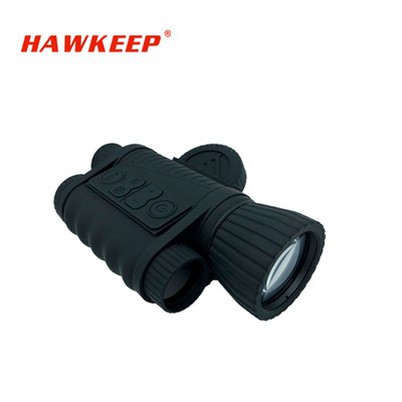

What is the size of a thermal imaging scope?
Leave a message

When delving into the world of thermal imaging scopes, one of the fundamental questions that often arises is, "What is the size of a thermal imaging scope?" The sizing of these sophisticated devices is a complex topic influenced by multiple factors, including technology, intended use, and user preferences. As a leading supplier of thermal imaging scopes, we're here to dissect this question comprehensively and offer insights that can help you make an informed decision for your thermal imaging needs.
The Concept of Size in Thermal Imaging Scopes
Size in thermal imaging scopes isn't just about physical dimensions. It encompasses several aspects that affect performance, portability, and functionality. Physical size includes the length, width, and height of the scope, which impacts how it fits on a firearm, in a backpack, or in your hand. Weight is another crucial factor related to size, as it affects ease of use and maneuverability, especially during extended periods.
Physical Dimensions
The physical dimensions of thermal imaging scopes can vary widely based on their design and intended application. Compact models are typically favored for their portability and ease of use in tight spaces. These scopes are often used for activities like hunting in dense forests or for personal security where quick and discreet deployment is necessary. For example, some compact thermal imaging scopes can be as small as 5 - 6 inches in length, making them highly concealable.
On the other hand, larger scopes are built for more advanced functionalities and higher performance. They may house larger sensors and batteries, which allow for better image quality, longer detection ranges, and extended operation times. Some long - range thermal imaging scopes used for surveillance or military applications can be 12 inches or more in length. These scopes often require a more stable mounting system and may be used in conjunction with tripods or specialized gun mounts.
Weight Considerations
Weight is a significant consideration when it comes to the size of thermal imaging scopes. A lighter scope is generally more comfortable to carry and use, particularly during long - term activities. A lightweight scope can also reduce fatigue, allowing the user to maintain better accuracy and focus. Compact scopes typically weigh between 1 - 2 pounds, making them suitable for handheld use or mounting on a variety of firearms without significantly altering the balance.
Heavier scopes, which may weigh 3 pounds or more, are often associated with larger models that offer enhanced features. While the extra weight can be a drawback in terms of portability, it can also contribute to the stability of the scope, especially when used for long - range shooting or in high - vibration environments.
Impact of Technology on Size
Advancements in thermal imaging technology have a direct impact on the size of scopes. In the past, thermal imaging devices were large, bulky, and not very practical for field use. However, with the development of smaller and more efficient components, modern thermal imaging scopes have become much more compact.


For instance, the miniaturization of microbolometers, which are the key sensors in thermal imaging scopes, has allowed manufacturers to reduce the overall size of the devices. At the same time, improvements in battery technology have led to the use of smaller, higher - capacity batteries, further contributing to size reduction.
Size and Intended Use
The intended use of a thermal imaging scope plays a crucial role in determining the ideal size. Here are some common use cases and the corresponding size requirements:
Hunting
Hunters need a scope that is both portable and has sufficient performance. Compact to mid - sized thermal imaging scopes are often preferred for hunting. They can be easily carried through the woods and quickly mounted on a rifle. A scope that is around 7 - 10 inches in length and weighs 1.5 - 2.5 pounds is a popular choice for hunters, as it offers a good balance between portability and performance. For hunting at night, consider our Thermal Imaging Night Vision Scope, which combines the right size with excellent night - time visibility.
Surveillance
Surveillance applications may require larger and more powerful thermal imaging scopes. These scopes need to provide a long - range detection capability and high - resolution images. They are often mounted on fixed platforms, such as poles or vehicles, so portability is less of a concern. Larger scopes, 10 inches or longer, with a weight of 3 pounds or more, can accommodate the necessary sensors and optics to meet the demands of surveillance tasks. Our Infrared Thermal Imager Scope is a great option for surveillance due to its large - scale capabilities.
Military and Law Enforcement
Military and law enforcement personnel require thermal imaging scopes that are rugged, reliable, and offer a wide range of features. The size requirements can vary depending on the specific mission. For operations that involve a lot of movement, such as special forces operations, compact scopes are preferred. However, for sniper units or long - range surveillance, larger, high - performance scopes are necessary. Our Rangefinder Thermal Imaging Scope provides the right mix of features and can be selected in different sizes to meet various military and law - enforcement needs.
Choosing the Right Size for You
When choosing a thermal imaging scope, it's important to consider your specific needs and preferences. Here are some steps to help you make the right decision:
- Define Your Use Case: Clearly determine whether you'll be using the scope for hunting, surveillance, military, or other purposes. This will narrow down your size options.
- Consider Portability: If you'll be moving around a lot, compact and lightweight scopes are a better choice. If you'll be using the scope from a fixed position, size may be less of a concern.
- Evaluate Performance Requirements: Higher - performance scopes often come in larger sizes. Make sure the scope you choose can meet your image quality, detection range, and other performance needs.
- Test Before Buying: If possible, handle different sizes of thermal imaging scopes to see which one feels most comfortable and practical for you.
Contact Us for More Information
As a reliable supplier of thermal imaging scopes, we understand that choosing the right size is just one aspect of finding the perfect scope for your needs. Our team of experts is available to answer any questions you may have and help you select the most suitable thermal imaging scope. Whether you're an individual hunter, a surveillance professional, or part of a military or law - enforcement agency, we can provide you with the guidance and support you need.
If you're interested in purchasing thermal imaging scopes or would like to discuss your specific requirements, please reach out to us. We look forward to the opportunity to work with you and provide you with high - quality thermal imaging solutions.
References
- Thermal Imaging Technology Handbook, Second Edition. Edited by Daniel C. O'Shea.
- Infrared and Electro - Optical Systems Handbook, Volume 3 - Thermal Imaging Systems.