
What are the differences in regulations for using an Infrared Thermal Scope in different countries?
Leave a message

Hey there! As a supplier of Infrared Thermal Scopes, I've seen firsthand how different countries have their own rules and regulations when it comes to using these nifty gadgets. In this blog post, I'm gonna break down some of the key differences in regulations for using an Infrared Thermal Scope in various countries.
Let's start with the United States. In the US, the regulations around Infrared Thermal Scopes are mainly governed by federal and state laws. On the federal level, the Bureau of Alcohol, Tobacco, Firearms and Explosives (ATF) has some say in the matter, especially when it comes to using thermal scopes in conjunction with firearms. If you're using a thermal scope for hunting or shooting sports, you generally need to comply with the same rules as you would for regular scopes. However, there are some restrictions on using thermal scopes for certain types of hunting, like hunting big game at night in some states.
For civilian use, most states allow the possession and use of Infrared Thermal Scopes for non - firearm related activities, such as wildlife observation, home security, and search and rescue. But you still need to make sure you're not using it in a way that violates privacy laws. For example, you can't use a thermal scope to peek into someone's private property without their permission.
Now, let's move across the pond to the United Kingdom. In the UK, the use of Infrared Thermal Scopes is tightly regulated, especially when it comes to firearms. The UK has strict gun control laws, and using a thermal scope with a firearm is a big no - no for most civilians. You need to have a special license from the police to use a thermal scope in connection with a firearm, and these licenses are only issued in very limited circumstances, like for professional pest control or military and police operations.
For non - firearm use, the rules are a bit more lenient. You can use a thermal scope for activities like wildlife watching, but you still need to follow the country's wildlife protection laws. For instance, you can't use it to harass or disturb protected species.
In Canada, the regulations are a bit of a mix. On the federal level, the use of Infrared Thermal Scopes with firearms is regulated under the Firearms Act. Similar to the US, there are different rules for different types of firearms. For long guns, the rules are relatively more relaxed compared to handguns. You can use a thermal scope for hunting, but you need to follow the provincial hunting regulations. Each province has its own set of rules regarding hunting seasons, bag limits, and the use of equipment like thermal scopes.


For non - hunting use, thermal scopes are generally allowed for activities like wildlife research and home security. However, you need to be aware of privacy laws and make sure you're not using the scope in an invasive way.
Moving on to Australia, the regulations vary from state to state. In general, the use of Infrared Thermal Scopes with firearms is highly regulated. You need to have a valid firearms license and comply with the specific conditions of that license. Some states have restrictions on using thermal scopes for hunting certain species, especially native animals.
For non - firearm use, thermal scopes can be used for activities like pest control on private property. But again, you need to follow the local environmental and wildlife protection laws.
In some European countries, such as Germany, the regulations are also quite strict. Germany has a comprehensive gun control system, and using a thermal scope with a firearm is only allowed for authorized users, such as the military, police, and some professional hunters. For civilian non - firearm use, thermal scopes are allowed for activities like wildlife observation, but you need to respect the country's nature conservation laws.
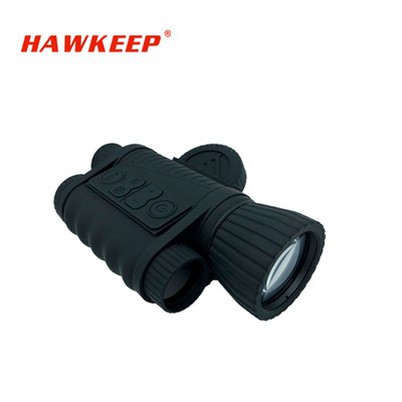
Now, let's talk about some of the cool products we offer. We have a great selection of Thermal Clip On Sights that can be easily attached to your existing scopes, giving you the ability to see in the dark. Our Thermal Imaging Night Vision Scope is perfect for those who need to see clearly in low - light conditions, whether it's for hunting or security purposes. And our Infrared Thermal Imager Scope is a high - quality device that can detect heat signatures from a distance.
So, why should you choose our products? Well, we make sure that all our Infrared Thermal Scopes are compliant with the regulations in most countries. We work hard to ensure that our scopes meet the highest quality standards, so you can rely on them for whatever activity you're using them for.
If you're interested in purchasing our Infrared Thermal Scopes, we'd love to have a chat with you. Whether you're a professional hunter, a wildlife enthusiast, or someone looking for a good home security solution, we can help you find the right scope for your needs. Just reach out to us, and we'll be more than happy to discuss your requirements and provide you with all the information you need.
In conclusion, the regulations for using an Infrared Thermal Scope vary widely from country to country. It's really important for you to do your research and understand the rules in your area before you purchase and use a thermal scope. This way, you can enjoy all the benefits of these amazing devices while staying on the right side of the law.
References
- Bureau of Alcohol, Tobacco, Firearms and Explosives (ATF) - US Federal Firearms Regulations
- UK Home Office - Firearms and Licensing Regulations
- Canadian Firearms Program - Federal Firearms Act
- Australian Government Department of Agriculture, Water and the Environment - Wildlife and Firearms Regulations
- German Federal Ministry of the Interior, Building and Community - Gun Control Laws