
Can I use a rangefinder scope in low - light conditions?
Leave a message

Yo, what's up! I'm a supplier of rangefinder scopes, and I often get asked if you can use a rangefinder scope in low - light conditions. Well, let's dig into this topic and find out.
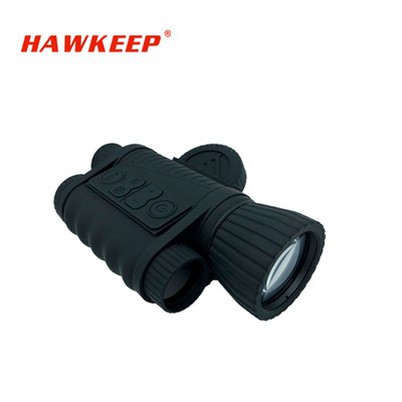
First off, let's understand what a rangefinder scope is. A rangefinder scope combines the functions of a regular scope and a rangefinder. It helps you see your target clearly and also measures the distance to that target. There are different types of rangefinder scopes out there, like the Laser Rangefinder Scope, Telescopic Sight Rangefinder, and Laser Rangefinder Rifle Scope. Each of these has its own features and is designed for different uses.
Now, when it comes to low - light conditions, things get a bit tricky. Low - light conditions can be anything from dawn and dusk to a moonlit night or even inside a dimly lit building. The main challenge in these situations is the lack of light, which can affect both the visibility of your target and the performance of the rangefinder.
Let's talk about visibility first. Most rangefinder scopes rely on optical components to magnify and focus on the target. In low - light, the less light there is, the harder it is for these optical elements to do their job. You might find that your target looks blurry or is difficult to distinguish from the background. Some rangefinder scopes come with features to help with this. For example, scopes with large objective lenses can gather more light. A larger objective lens allows more photons to enter the scope, which can improve the image quality in low - light. Also, scopes with anti - reflective coatings on the lenses can reduce the amount of light that is lost due to reflection, making the image brighter and clearer.
Another important factor is the reticle. The reticle is the crosshair or aiming point in the scope. In low - light, a regular black reticle can be hard to see. That's why many modern rangefinder scopes have illuminated reticles. These reticles can be adjusted to different brightness levels, so you can set them to a level that is visible against the low - light background without being too bright and washing out the image of the target.
Now, let's move on to the rangefinder part. The rangefinder in a scope usually works by emitting a laser beam and measuring the time it takes for the beam to bounce back from the target. In low - light, the main issue is that the laser beam might not be as effective. Some factors can affect the laser's performance, like fog, mist, or even a lot of dust in the air. These can scatter the laser beam, making it harder for the scope to get an accurate reading of the distance.
However, some rangefinder scopes are designed to work better in low - light. They have more powerful lasers that can penetrate through these conditions more effectively. Also, the sensors in these scopes are often more sensitive, so they can detect the returning laser beam even if it's weaker.


So, can you use a rangefinder scope in low - light conditions? The answer is yes, but it depends on the scope. If you have a high - quality rangefinder scope with features like large objective lenses, anti - reflective coatings, illuminated reticles, and a powerful laser system, you can definitely use it in low - light. But if you have a basic scope without these features, you might run into some problems.
For hunters, low - light conditions can be prime time for hunting. Many animals are more active during dawn and dusk. So, having a rangefinder scope that can perform well in these conditions is crucial. You need to be able to see your target clearly and get an accurate distance reading to make a successful shot.
For shooters in tactical situations, low - light can also be an advantage. You can use the cover of darkness to get closer to your target. A good rangefinder scope can help you identify and engage targets accurately in these situations.
If you're in the market for a rangefinder scope that can handle low - light conditions, here are some things to look for. First, check the specifications of the scope. Look for a scope with a large objective lens diameter, preferably 50mm or more. Also, make sure it has an illuminated reticle with adjustable brightness levels. For the rangefinder part, look for a scope with a high - power laser and a sensitive sensor.
As a rangefinder scope supplier, I've seen a lot of different scopes on the market. I can tell you that investing in a good quality scope is worth it, especially if you plan to use it in low - light conditions. A cheap scope might save you some money upfront, but it might not perform well when you really need it.
If you're interested in our rangefinder scopes and want to know more about how they perform in low - light conditions, or if you're ready to make a purchase, don't hesitate to contact us. We're here to help you find the right scope for your needs. Whether you're a hunter, a shooter, or just someone who wants a reliable rangefinder scope, we've got you covered.
In conclusion, while using a rangefinder scope in low - light conditions has its challenges, with the right scope and features, it's definitely possible. So, if you're looking to take your shooting or hunting to the next level in low - light, consider investing in a high - quality rangefinder scope.
References:
- General knowledge of rangefinder scope technology and performance in different conditions.
- Product specifications and marketing materials of various rangefinder scopes.