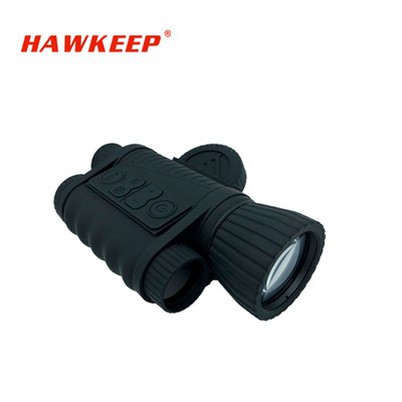

Can a hunting thermal scope be used for fox hunting?
Leave a message

Fox hunting has long been a popular sport in many parts of the world, offering hunters a thrilling challenge and a chance to connect with nature. As technology advances, the tools used for fox hunting have also evolved, with hunting thermal scopes emerging as a game - changer. In this blog, I'll explore whether a hunting thermal scope can be used for fox hunting, and I'll share insights from my experience as a Hunting Thermal Scope supplier.
Understanding Hunting Thermal Scopes
Before delving into their suitability for fox hunting, it's essential to understand what hunting thermal scopes are. A hunting thermal scope is a device that detects infrared radiation emitted by objects and converts it into a visible image. Unlike traditional scopes that rely on visible light, thermal scopes can operate in complete darkness, fog, or smoke, as they are not affected by these environmental factors.
The technology behind thermal scopes is based on the principle that all objects above absolute zero (-273.15°C) emit infrared radiation. The intensity of this radiation varies depending on the object's temperature. Thermal scopes use a special sensor to detect these differences in infrared radiation and create an image where warmer objects appear brighter and cooler objects appear darker.
Advantages of Using a Hunting Thermal Scope for Fox Hunting
Enhanced Visibility in Low - Light Conditions
Foxes are primarily nocturnal animals, which means they are most active at night. Traditional scopes are ineffective in the dark, but a Hunting Thermal Scope can provide clear visibility even in pitch - black conditions. This allows hunters to spot foxes that would otherwise be hidden in the darkness, increasing the chances of a successful hunt.
Detection Through Obstacles
Foxes are known for their ability to hide in thick vegetation, underbrush, or behind natural obstacles. Thermal scopes can detect the heat signatures of foxes through these barriers, as infrared radiation can pass through some materials. This gives hunters an edge by allowing them to locate foxes that are concealed from plain sight.
Tracking Capabilities
Once a fox is spotted, a thermal scope can be used to track its movements. The heat signature of the fox remains visible, even as it moves through the terrain. This is particularly useful in areas with dense foliage or uneven ground, where visual tracking can be difficult.
Considerations When Using a Hunting Thermal Scope for Fox Hunting
Legal Regulations
Before using a hunting thermal scope for fox hunting, it's crucial to familiarize yourself with the local laws and regulations. In some regions, the use of thermal scopes for hunting is restricted or prohibited. Make sure you obtain the necessary permits and comply with all legal requirements to avoid any legal issues.
Weather Conditions
While thermal scopes are effective in many weather conditions, extreme weather can affect their performance. Heavy rain, snow, or high humidity can reduce the clarity of the thermal image. Additionally, strong winds can cause heat signatures to disperse, making it more challenging to accurately identify and track foxes.
Learning Curve
Using a thermal scope requires some practice and skill. Hunters need to learn how to interpret the thermal images correctly, distinguish between different heat signatures, and adjust the settings of the scope according to the hunting environment. It may take some time to become proficient in using a thermal scope effectively.
Types of Hunting Thermal Scopes Suitable for Fox Hunting
Rangefinder Thermal Imaging Scope
A rangefinder thermal imaging scope combines the functionality of a thermal scope with a rangefinder. This type of scope is particularly useful for fox hunting as it allows hunters to accurately measure the distance to the target. Knowing the distance is crucial for making a precise shot, especially when hunting in open terrain.
Hunting Thermal Imaging Scope
A standard hunting thermal imaging scope is designed specifically for hunting applications. It offers high - resolution thermal imaging, allowing hunters to clearly see the heat signatures of foxes. These scopes often come with adjustable magnification, which can be useful for different hunting scenarios, such as hunting in wooded areas or open fields.
Tips for Using a Hunting Thermal Scope for Fox Hunting
Scout the Area
Before heading out for a hunt, scout the area during the day to identify potential fox habitats. Look for signs such as fox dens, tracks, or droppings. This will give you an idea of where to focus your search when using the thermal scope at night.
Use the Right Settings
Adjust the settings of your thermal scope according to the hunting environment. For example, in a cold environment, you may need to increase the sensitivity of the scope to detect the heat signatures of foxes more easily. Experiment with different settings during practice sessions to find the optimal configuration.
Be Patient
Fox hunting with a thermal scope requires patience. It may take some time to locate a fox, especially in areas with low fox populations. Stay quiet, be observant, and wait for the right opportunity to make a shot.
Conclusion
In conclusion, a hunting thermal scope can be a valuable tool for fox hunting. It offers enhanced visibility in low - light conditions, the ability to detect foxes through obstacles, and effective tracking capabilities. However, hunters need to be aware of the legal regulations, weather conditions, and the learning curve associated with using a thermal scope.


As a Hunting Thermal Scope supplier, I have seen firsthand the benefits that these scopes can bring to fox hunters. Our range of Hunting Thermal Scopes, Rangefinder Thermal Imaging Scopes, and Hunting Thermal Imaging Scopes are designed to meet the specific needs of hunters.
If you're interested in improving your fox hunting experience with a high - quality hunting thermal scope, I encourage you to reach out to us for more information. We can provide detailed product specifications, pricing, and answer any questions you may have. Let's start a conversation about how our hunting thermal scopes can take your fox hunting to the next level.
References
- "Thermal Imaging in Hunting: A Comprehensive Guide" by Outdoor Hunting Magazine
- Local wildlife and hunting regulations from relevant government agencies
- Manufacturer's manuals and technical specifications for hunting thermal scopes